
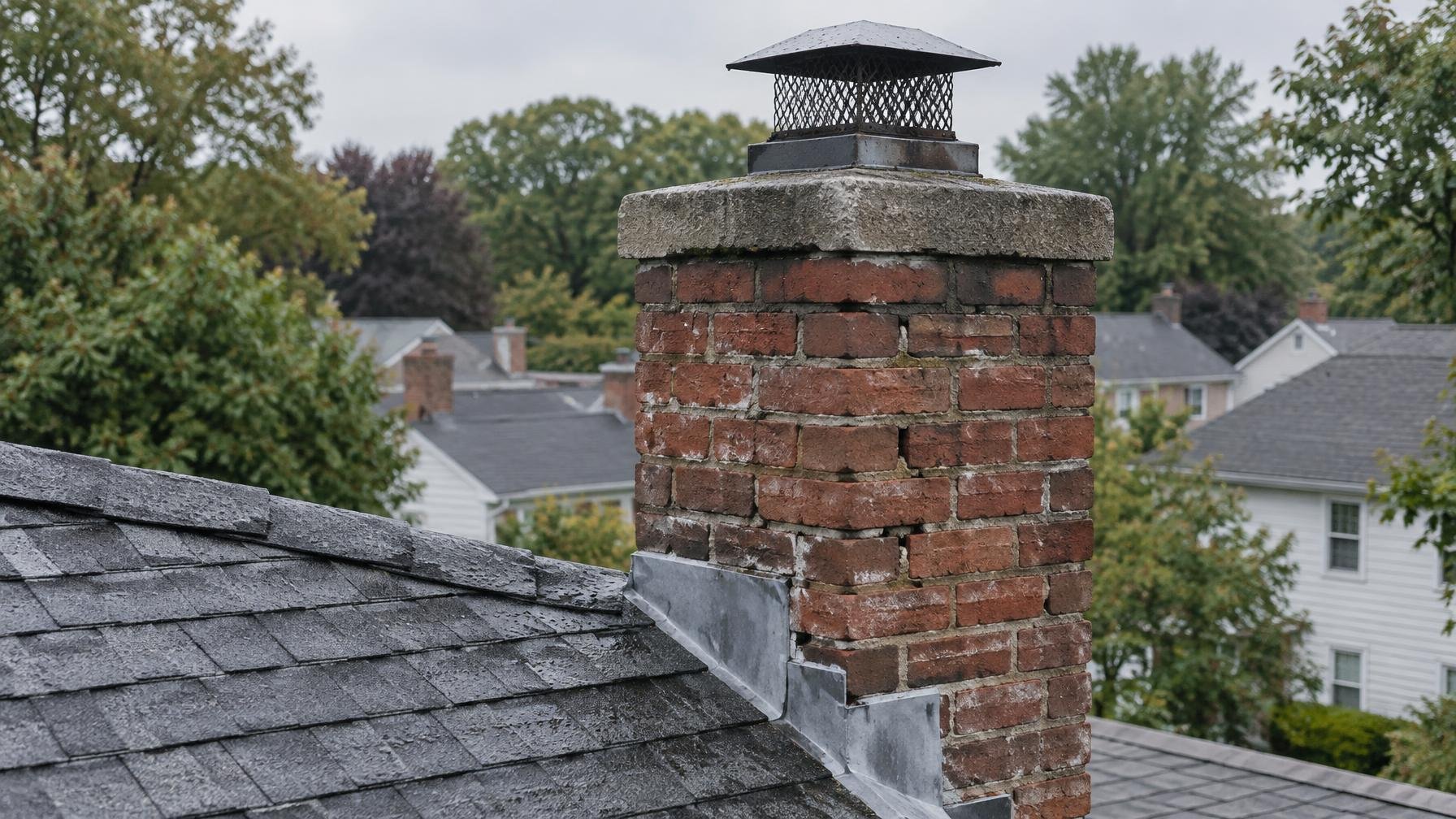
If you need chimney repair in Babylon, NY, the first step is identifying whether the problem involves the exterior masonry, rain protection, or the flue that carries exhaust out of your home. SkyFlue Chimney & Fireplace serves Babylon and the surrounding Long Island area with inspections and repairs supported by photos, camera footage when appropriate, and clear written estimates. The right repair should address the cause—not simply cover a stain or seal a visible crack.
Why Babylon Chimneys Need Careful Evaluation
Babylon homes face wind-driven rain, damp coastal conditions near the Great South Bay, and winter freeze-thaw cycles. When water enters a brick or mortar joint and freezes, it expands. Repeated cycles can loosen mortar, break brick faces, and turn a small opening into a larger masonry problem.
The chimney’s job also varies from house to house. One may serve a wood-burning fireplace, while another vents an oil-fired boiler or furnace. Some masonry stacks contain separate flues for different appliances. Knowing what each flue serves is essential before deciding whether the work involves cleaning, masonry repair, liner evaluation, or a combination.
Whether your home is in Babylon Village, North Babylon, or West Babylon, visible damage is only part of the picture. A chimney that looks sound from the yard can still have internal deterioration, while a ceiling stain beside the chimney may originate at the roof connection rather than inside the flue.
Warning Signs and What They May Mean
Loose mortar, broken brick faces, or debris below the chimney
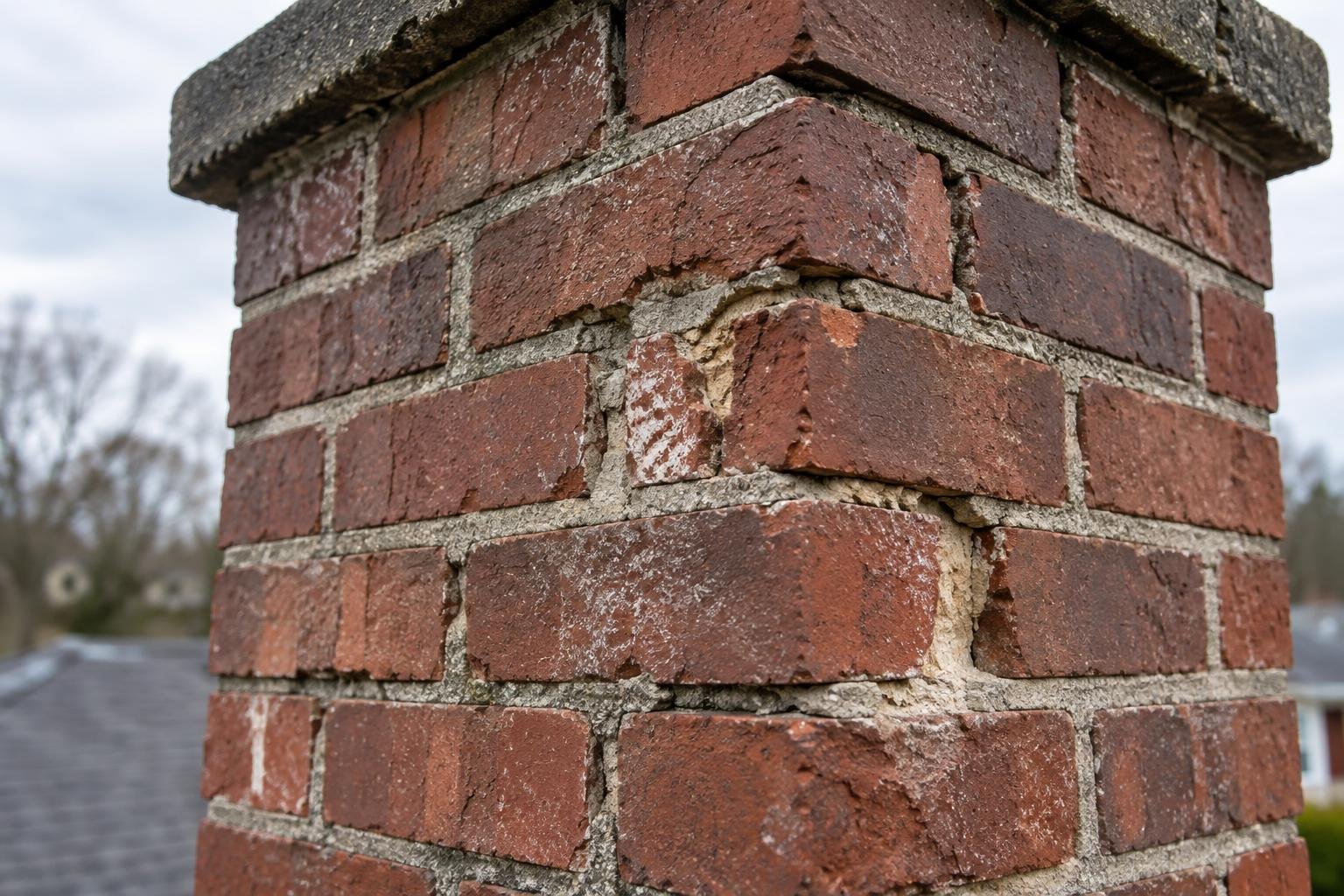
Missing mortar joints allow more moisture into the stack. Flaking or broken brick faces, often called spalling, can indicate that moisture has damaged the brick itself. Repointing may address deteriorated joints where surrounding bricks remain sound, but damaged bricks may need replacement. Leaning masonry or loose upper courses require a broader structural evaluation.
Water stains, damp odors, or water in the firebox
These symptoms can come from a missing cap, a damaged crown, failed flashing, or porous and deteriorated masonry. Condensation inside an appliance flue can also contribute to moisture problems. Note whether the water appears during steady rain, wind-driven storms, or heating operation; that timing helps guide the inspection.
Smoke entering the room or unusual exhaust odors
Smoke rollout is not a problem to solve by continuing to burn until the chimney warms up. Blockages, flue damage, inadequate air supply, and other draft problems can be involved. Stop using the affected fireplace or appliance and arrange an evaluation. A chimney cap or masonry patch alone will not resolve every venting problem.
Tile fragments or heavy black deposits
Pieces of clay tile in the fireplace or cleanout may indicate liner damage. Heavy black deposits may require creosote removal, but cleaning alone does not establish that the liner is intact. Avoid reaching into a cleanout or disturbing debris to investigate; photograph what is visible from a safe position.
How an Inspection Helps Find the Actual Cause
A useful inspection connects the symptom to specific evidence. Tell the technician what you noticed, when it started, and whether it followed a storm, a chimney fire, or a change in heating equipment. Photos of intermittent leaks are especially helpful when everything has dried before the appointment.
Depending on access and the concern, the evaluation may involve:
- Exterior masonry: checking brick faces, mortar joints, displaced sections, and signs of movement.
- Crown and cap: looking for cracks, openings around flue tiles, damaged covers, or missing components.
- Roof connection: examining chimney flashing and visible pathways where water could enter.
- Interior areas: checking accessible fireplace, cleanout, and appliance venting components for deterioration or debris.
- Flue interior: using a camera when internal conditions need closer examination.
A chimney camera inspection can help document visible liner cracks, joint gaps, deposits, or obstructions that cannot be assessed from the fireplace opening alone. Camera footage does not reveal every concealed condition, but it can clarify why a particular repair is being recommended.
A Level 2 inspection may be appropriate during a home sale, after a chimney fire or damaging event, or when the venting system changes. Ask which inspection scope fits your situation and which areas will be accessible. A free estimate should not be confused with a promise that every diagnostic service is free.
Matching the Repair to the Damage
Repointing and brick replacement
Repointing removes deteriorated mortar to an appropriate depth and replaces it with mortar suited to the existing masonry. Smearing a thin layer over failing joints is not the same repair. Where bricks are cracked or spalled, replacement may be needed before sound joints can be restored.
Older Babylon homes deserve particular care when choosing repair materials. Mortar needs to work with the existing brick rather than simply being as hard as possible. Widespread deterioration, displacement, or instability may call for partial rebuilding instead of repeated surface patching.
Crown and cap repairs
The crown is the protective top surface around the flue openings; the cap covers the flue opening while allowing exhaust to escape. They serve different purposes. A cracked crown can let water into the masonry below, while a missing or damaged cap leaves an opening exposed to rain and debris.
Depending on its condition, a crown may need repair or replacement. A cap must fit the chimney and venting arrangement properly. Adding a cap will not repair cracked crown material, loose bricks, or failed flashing.
Flashing repairs and moisture protection
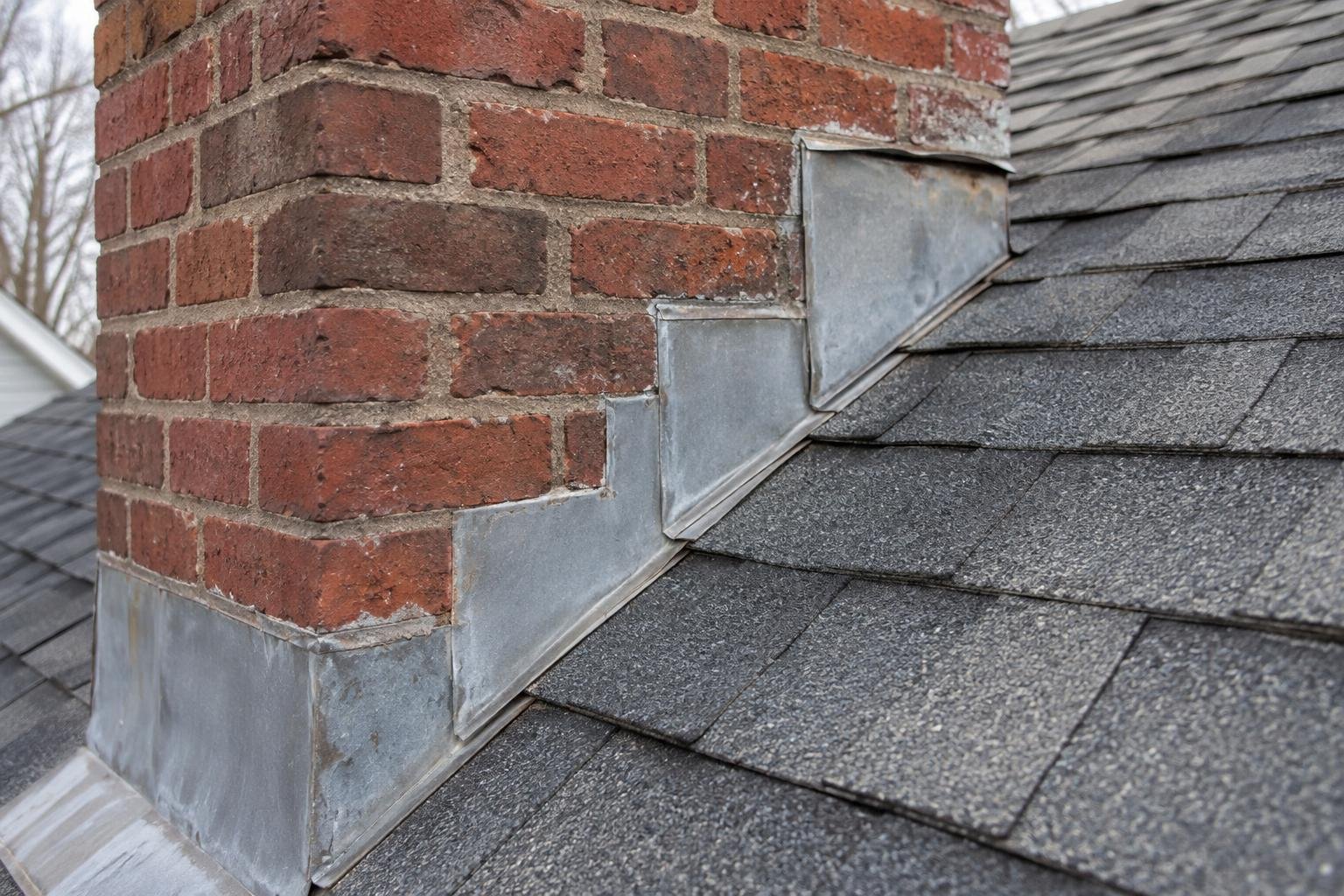
Flashing seals the transition between the chimney and roof. If that connection fails, water can travel into the house even when the upper masonry looks intact. Effective chimney leak repair starts by checking the likely entry points rather than applying sealant everywhere.
Once needed masonry repairs are complete, a suitable vapor-permeable waterproofing treatment may help reduce rain absorption. It is not a substitute for replacing damaged bricks, repairing flashing, or correcting crown defects. Film-forming coatings that trap moisture can create additional problems.
When the Flue Needs Work, Not Just the Outside
The flue liner helps contain heat and combustion gases and directs exhaust outdoors. Cracked clay tiles, open liner joints, or deteriorated liner materials require a different repair plan from exterior repointing. A freshly repaired chimney exterior does not establish that the venting passage is safe to use.
Liner recommendations should account for the appliance, fuel, flue dimensions, and observed damage. For an oil-fired boiler or furnace, soot accumulation may require flue cleaning, while corrosion or damaged lining may require additional work. Chimney flue service does not replace mechanical maintenance or repair of the heating appliance itself.
SkyFlue’s chimney repair services include evaluating masonry and flue concerns so the written scope can distinguish necessary repairs from cleaning and preventive maintenance.
What to Do Before the Repair Appointment
- Record the symptoms. Note rain conditions, fireplace use, heating operation, and when stains or odors appear.
- Take safe photos. Photograph indoor stains and visible damage from the ground. Do not climb onto the roof.
- Identify connected appliances. Tell the technician whether the chimney serves a fireplace, wood stove, boiler, or furnace.
- Gather available records. Previous inspection reports, repair estimates, and appliance replacement information can help explain changes.
- Keep clear of loose masonry. Avoid the area below falling debris and keep children and pets away.
If you suspect an active chimney fire, see flames or sparks escaping the chimney, or hear a loud roaring sound, leave the building and call 911. If a carbon monoxide alarm sounds, get everyone outside and call emergency services. Do not re-enter until responders say it is safe, and do not resume use of the affected system until it has been evaluated and cleared for use.
What a Clear Written Estimate Should Explain
Ask for an estimate that identifies the damaged area, explains the proposed method, and separates repair work from optional maintenance. Inspection photos should show why the work is needed. If rebuilding is recommended instead of repointing, ask what evidence makes the less extensive approach unsuitable.
For Babylon properties, permit requirements depend on the location and scope of work. Confirm with the applicable village or town building department whether approval is needed, particularly for rebuilding or changes to the venting system. Ask who will handle any required application before work begins.
Weather and roof access can affect scheduling. Masonry materials and waterproofing products need suitable application and curing conditions. Planning non-emergency repairs before the busiest heating period leaves more room to diagnose moisture problems and complete the work properly.
Get a Free Estimate for Chimney Repair in Babylon
SkyFlue Chimney & Fireplace helps homeowners in Babylon and throughout Suffolk County identify chimney damage and plan repairs with photo-documented findings and clear written estimates. Services include masonry restoration, leak repairs, liner and flue work, and 24/7 emergency chimney repair.
Call Now (934) 271-0372 or Get a Free Estimate. Describe the symptoms, mention any connected heating appliances, and share available photos so the conversation starts with the problem your home actually has.
Frequently Asked Questions
How can I tell whether my Babylon chimney needs repointing or rebuilding?
Repointing may be appropriate when mortar joints are deteriorated but the bricks and overall structure remain sound. Widespread brick damage, displaced masonry, or instability may require partial rebuilding. An inspection should document the conditions supporting the recommendation.
Will waterproofing stop a chimney leak?
Not if the leak comes from failed flashing, a cracked crown, missing components, or open masonry joints. Vapor-permeable waterproofing may help reduce moisture absorption after necessary repairs, but the entry point should be identified first.
Can I use my fireplace if I see pieces of clay tile inside it?
Stop using the fireplace until it has been evaluated. Clay fragments may indicate flue liner damage, and a camera inspection may be needed to assess visible cracks, gaps, or missing sections.
Do chimney repairs in Babylon require a permit?
Requirements depend on the property's jurisdiction and the repair scope. Check with the applicable village or town building department, especially for chimney rebuilding or venting changes, and clarify who will handle any required application.
Does SkyFlue offer emergency chimney repair in Babylon?
SkyFlue offers 24/7 emergency chimney repair across its Queens and Long Island service area, including Babylon. Call (934) 271-0372 to discuss the problem. For an active fire, a carbon monoxide alarm, or immediate danger, leave the building and call emergency services first.