If you need a chimney sweep in Flushing, NY, start by identifying what the chimney serves: a wood-burning fireplace, a wood stove, or a heating appliance such as an oil-fired boiler. SkyFlue Chimney & Fireplace provides chimney sweeping and photo-documented inspections across Queens, helping homeowners understand what needs cleaning and whether another problem requires attention.
The goal is a clear, properly functioning venting path—not simply a cleaner-looking firebox.
Why Flushing Chimneys Need More Than a Quick Look
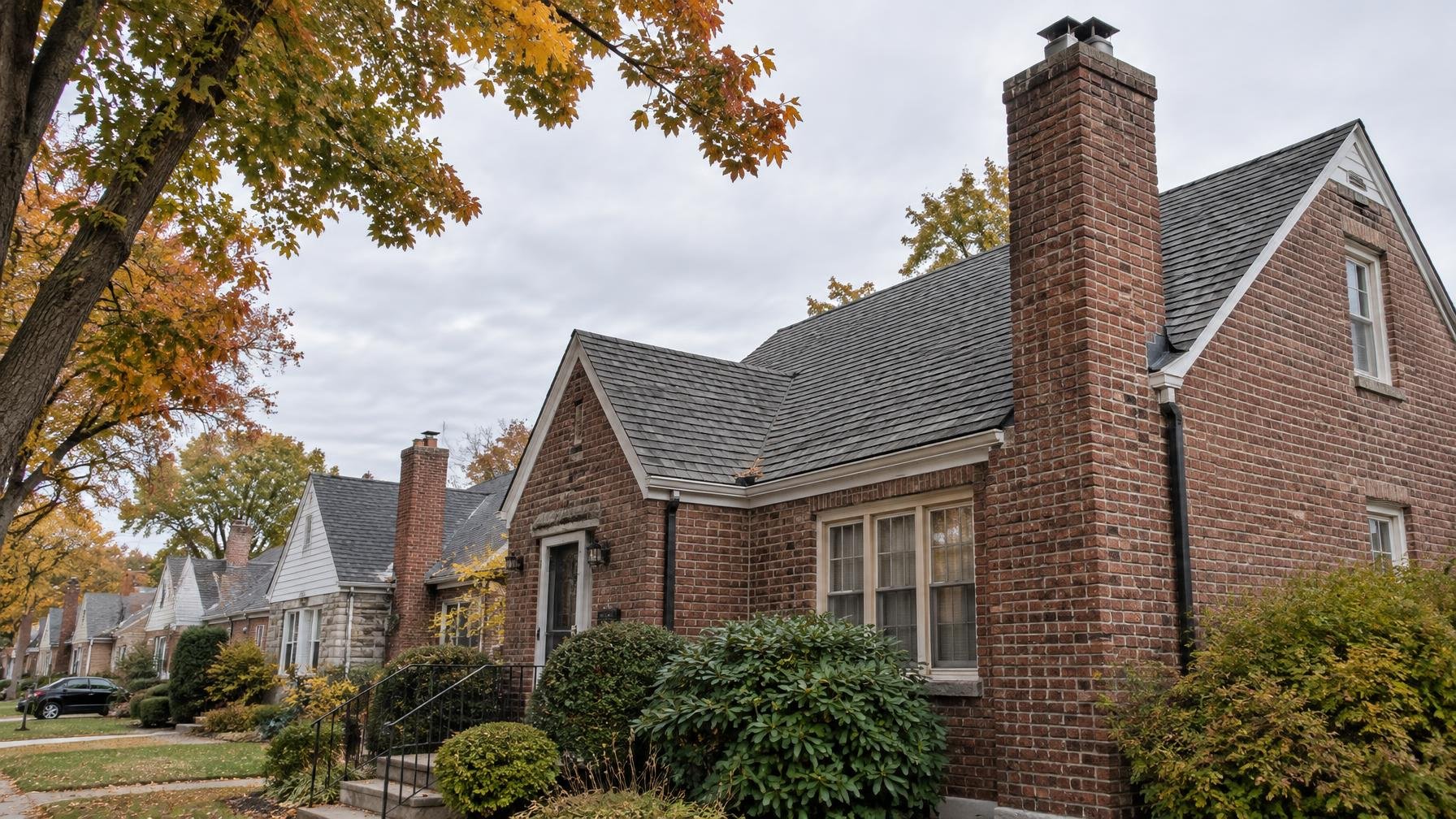
Flushing includes older detached houses, attached homes, and properties altered over time. A visible brick chimney may contain more than one flue, and the fireplace you see indoors may not be the only appliance venting through that structure. Before cleaning begins, the technician needs to establish which flue serves which appliance.
In older homes, that assessment matters because maintenance history is not always clear. A previous owner may have stopped using a fireplace, changed heating equipment, or repaired the chimney exterior without addressing the liner inside. Fresh mortar outside does not confirm that the internal passage is sound.
Queens weather adds another layer. Wind-driven rain can expose cap, crown, or flashing problems, while repeated freezing and thawing can worsen damage in wet masonry. Sweeping removes deposits; it does not fix a leak, replace missing mortar, or repair a damaged liner. Those issues need to be identified separately.
When Should You Schedule a Chimney Sweep?
Plan an inspection annually, with cleaning based on the findings, fuel type, and how the system is used. A household burning wood regularly may need a different cleaning schedule from one using a fireplace only occasionally. Infrequent use does not rule out nesting debris, moisture damage, or deterioration.
Late summer or early fall is a practical time to arrange maintenance before regular fireplace use. If you discover a problem during winter, however, do not postpone the assessment simply because the heating season is already underway.
Signs that deserve attention
- Smoke entering the room: Stop using the fireplace. Buildup is one possible cause, but a closed damper, obstruction, pressure imbalance, or venting defect may also be involved.
- Strong smoky or tar-like odors: Deposits and moisture may contribute. An odor alone cannot tell you how much buildup is present.
- Black flakes or debris in the firebox: These warrant a closer look, especially if the pattern is new.
- Brick fragments or pieces of clay liner: Cleaning alone will not correct the deterioration producing them.
- Unknown maintenance history: Have the system evaluated before using an unfamiliar fireplace, particularly after buying a home.
If a carbon monoxide alarm sounds, leave the building and call 911 from outside. If you suspect a chimney fire, evacuate and call 911; do not try another fire to see whether the chimney still works.
What a Useful Chimney Sweeping Visit Should Cover
A productive visit begins with your observations. Tell the technician which appliance you use, how often you use it, and whether smoke, odors, or water appear under particular conditions. A problem that happens only when an exhaust fan runs may need a different investigation from one that follows heavy rain.
Protecting the work area and removing deposits
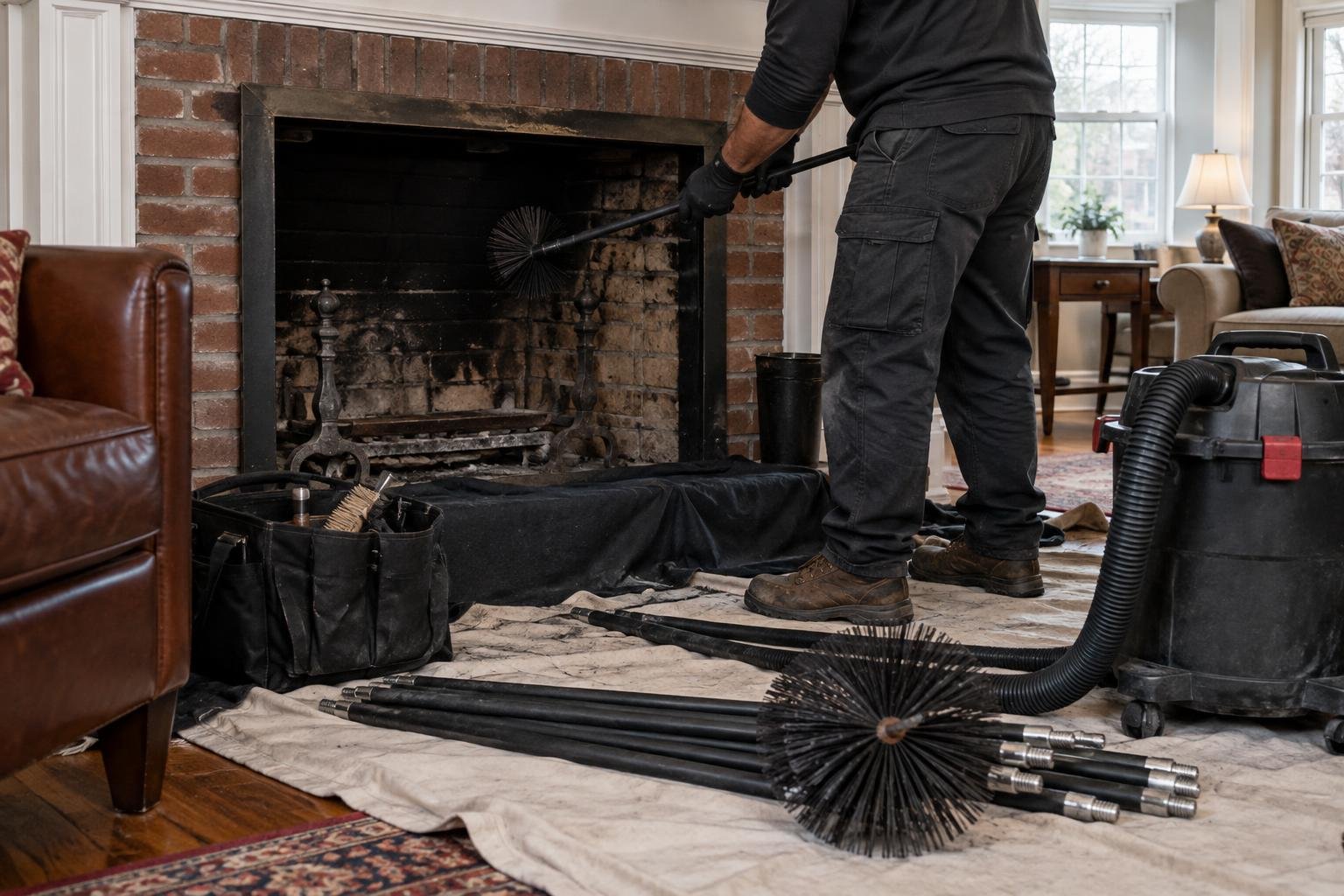
Before work begins, discuss how nearby flooring and furnishings will be protected and how soot will be contained. Appropriate brushes and cleaning equipment are used to remove accessible deposits from the relevant passage and components. Access and the cleaning approach depend on the chimney’s construction and the appliance connection.
For wood-burning systems, creosote is a central concern. It forms from wood-combustion byproducts and can fuel a chimney fire. Some deposits brush away more readily than others; hard, glazed material may require a separate removal approach. Ask whether the proposed work covers routine sweeping or additional creosote treatment.
SkyFlue’s chimney sweeping service addresses buildup, but the scope should reflect what is actually found rather than a one-size-fits-all assumption.
Documenting what cleaning can—and cannot—solve
Ask to see photos of deposits, debris, and any visible defects. Inspection photos should help you understand the location and nature of a problem, not simply show an unexplained close-up of brick or soot.
A useful explanation separates three things: what was removed, what remains uncertain, and what needs repair or further inspection. If damaged liner joints or loose masonry are found, a clean passage alone is not evidence that the system is ready for use.
When Camera or Level 2 Inspection Makes Sense
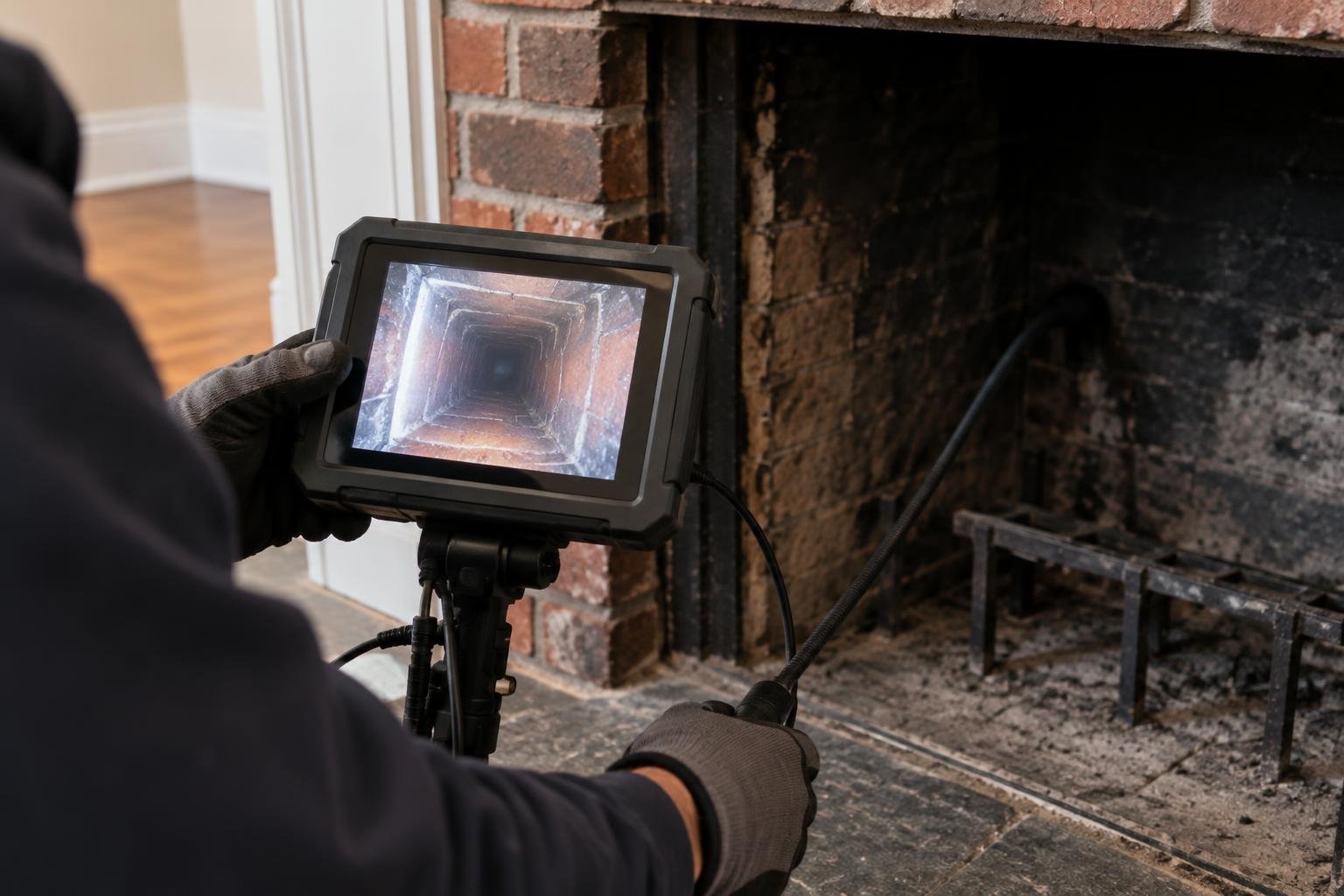
Looking upward from a fireplace cannot reveal every part of a flue. Offsets, height, and the shape of the passage can hide defects. A camera inspection provides a closer view of accessible interior surfaces and can help document cracks, separated joints, deposits, or obstructions.
Consider discussing a chimney camera inspection when cleaning reveals fragments of liner, draft problems keep returning, or the condition of an older flue is uncertain. Camera footage helps explain findings, though it cannot show every concealed part of the chimney structure.
A Level 2 inspection has a broader scope than a routine visual check and includes examination of accessible areas and internal flue surfaces. It is generally recommended when a property is sold or transferred, after a chimney fire or damaging event, or when changes to the appliance or venting system warrant it.
Camera inspection and Level 2 inspection are not interchangeable labels. Ask which inspection scope is appropriate, what areas will be accessible, and what documentation you will receive. If access limitations prevent a complete assessment, those limitations should be explained.
Do Not Overlook the Boiler or Furnace Flue
A home without a working fireplace may still have a chimney requiring attention. In Flushing houses heated by an oil-fired boiler or furnace, soot and debris can accumulate in the connected flue. Deteriorating masonry or liner material can also interfere with venting.
Do not assume a heating-equipment maintenance appointment includes cleaning the full chimney passage. Ask what was serviced and whether the chimney connector and flue were evaluated. Likewise, chimney flue cleaning is not general HVAC repair and does not replace maintenance of the boiler or furnace itself.
SkyFlue offers furnace and boiler flue cleaning. When booking, identify the fuel and appliance if you know them, and mention any soot around connections, unusual odors, or venting concerns. Do not disconnect vent pipes or dismantle equipment to gather that information.
How to Prepare for a Visit in Flushing
A little preparation helps the technician spend more time assessing the chimney and less time sorting out access.
- Let the fireplace cool completely: Ask how long to leave it unused before the appointment. Do not handle warm ashes.
- Clear the immediate work area: Move furniture, decorations, and fragile items away from the hearth or heating-appliance access route.
- Explain access constraints: Mention a narrow side yard, attached construction, a locked gate, or limited driveway access when scheduling.
- Gather useful records: Previous inspection reports, repair photos, and appliance information can clarify what has changed.
- Describe the pattern: Note whether trouble follows rain, occurs at startup, or coincides with kitchen or bathroom exhaust fans running.
In a shared or managed building, confirm authorization and access arrangements before booking. Stay off the roof yourself; ground-level observations and indoor photos are enough to start the conversation.
Read the Estimate Before Approving Additional Work
A clear written estimate should distinguish cleaning from repairs and identify the affected component. “Chimney repair” is less useful than an explanation of a deteriorated crown, damaged liner, or missing cap supported by inspection images.
If water is entering the chimney, ask how the source was identified. Waterproofing masonry will not replace a missing cap or correct defective flashing. Similarly, repeated sweeping will not solve a draft problem caused by an unsuitable venting arrangement.
Before approving work, ask what is included, what remains uncertain, and whether the fireplace or connected appliance must remain unused. SkyFlue emphasizes free estimates and photo-documented findings so homeowners can review the proposed scope without guessing at the cause.
Book a Chimney Sweep in Flushing, NY
Whether you are preparing a fireplace for colder weather or checking an older heating flue, start with an assessment of the system you actually have. SkyFlue Chimney & Fireplace serves Flushing and the wider Queens and Long Island area, including Nassau and Suffolk counties.
Call Now (934) 271-0372 or Get a Free Estimate. Tell us what the chimney serves and any symptoms you have noticed so we can discuss the appropriate cleaning or inspection. SkyFlue also offers 24/7 emergency chimney repair; active fires and carbon monoxide alarms require emergency responders first.
Frequently Asked Questions
How often should I have my chimney swept in Flushing?
Arrange an annual inspection, with sweeping based on buildup, fuel type, and use. Occasional fireplace use does not eliminate the need to check for obstructions, moisture damage, or deterioration.
Does a chimney sweep include a camera inspection?
Do not assume it does. Ask whether the written scope includes internal camera examination and documentation. A camera inspection may be appropriate when the flue condition is uncertain or symptoms suggest a problem beyond routine buildup.
Can chimney sweeping fix smoke coming into my room?
It may help if deposits or debris are the cause, but smoke can also result from damper problems, air-pressure conditions, or venting defects. Stop using the fireplace until the cause has been assessed.
Does my oil-fired boiler chimney need cleaning?
It may. Soot, debris, and deteriorated liner material can affect the venting passage. Confirm whether your heating maintenance includes the chimney flue; chimney cleaning and boiler equipment servicing are separate tasks.
Can I use a fireplace that has been unused for years?
Have it inspected before lighting a fire. An unused chimney may contain nesting debris, hidden deterioration, or changes left by previous work. The inspection findings should determine whether cleaning, further evaluation, or repairs are needed.